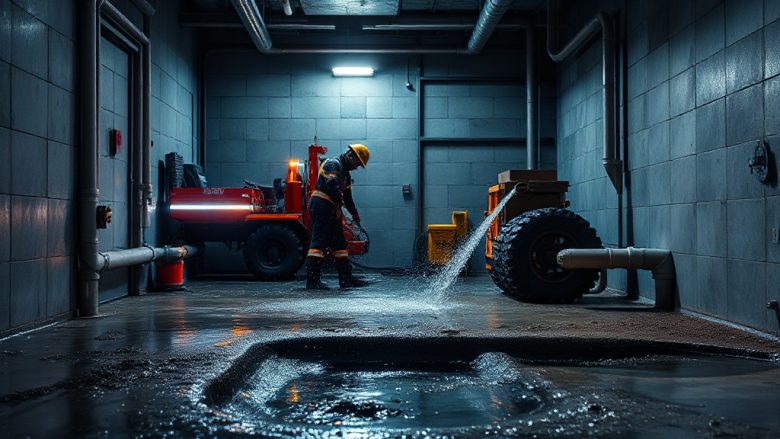
Water backing up in Mooca? How to get a desentupidora Mooca response that actually fixes it
If the shower tray is filling faster than it drains, the kitchen sink gurgles when the washing machine empties, or a floor drain in the garage has started bubbling, you are not looking for a definition of blocked pipes. You want the water gone, the smell out of the flat, and someone accountable on the phone. The fastest reliable route in this neighbourhood is to call a desentupidora Mooca team that works the area regularly, asks the right diagnostic questions before quoting, and can reach a building on Rua da Mooca, Rua Bresser or near Parque da Mooca without spending an hour lost in traffic.
This is the sequence a moderator of a local residents’ group would give you, in the order you should actually follow it, from the first minute of the backup to the moment you confirm the line is flowing again.
Minute one: stop adding water and protect what you can
Before you dial anyone, cut off the source. If a washing machine or dishwasher is mid-cycle, pause it. Do not run taps, do not flush, and do not try to “push it through” with more hot water. A blocked branch line under a slab can only hold so much; every extra litre raises the chance that dirty water backs up through the lowest drain in the property, which is often a ground-floor bathroom or a service area.
Then do the cheap protection work. Move rugs, cardboard boxes and anything stored on the floor away from the affected drain. If the backup is in a kitchen, keep food preparation off the counters until the line is cleared. In an apartment, tell the neighbour below you what is happening, because a slow leak through a slab usually announces itself to them first.
What not to do in the first ten minutes
- Do not pour chemical drain cleaner into a line that is already fully backed up; it sits there, attacks the pipe and does nothing to the blockage.
- Do not remove a floor drain grate and reach in with wire or a coat hanger. You can scratch the pipe and lose the object deeper.
- Do not open a cleanout plug you have never opened before unless you know where the water will go.
One warning worth taking seriously: if the backed-up water is grey or black and smells strongly of sewage, treat it as contaminated. Wear gloves, keep children and pets away, and wash the area with disinfectant once the line is clear.
Describe the symptom properly so the first call is productive
Most wasted call-outs come from a vague description. “The drain is blocked” tells a technician almost nothing; “the kitchen sink drains slowly, the laundry drain gurgles, and the floor drain outside is dry” points straight at a shared branch line rather than a single trap. Have this information ready before you call.
The five details a good technician will ask for
- Which fixtures are affected, and whether the problem is one room or several.
- Whether the water drains slowly or not at all.
- Whether there is a smell, and where it is strongest.
- The property type: house, ground-floor unit, upper-floor apartment, or commercial kitchen.
- Whether this is the first occurrence or a repeat within the last few months.
That last point matters more than people expect. A drain that blocks twice in a season is usually telling you about grease build-up, root intrusion or a sagging section of pipe, not bad luck. A company that only clears the immediate blockage and leaves without discussing the cause is selling you a repeat visit.
For a building in Mooca, also have the address and access details ready, including whether the cleanout is in a garage, a rear yard or a service corridor. This is exactly the kind of information a desentupidora Mooca São Paulo SP crew needs to arrive with the right equipment rather than improvising on site.
What a proper clearing job looks like, stage by stage
A professional desentupimento visit is not just a machine pushed into a hole. It follows a sequence, and knowing it helps you judge whether the person in front of you is doing the job properly.
Stage 1: locate the blockage
The technician should identify whether the obstruction is in a fixture trap, a branch line or the main building sewer. This determines whether the work happens inside the property or at an external cleanout. In older houses in Mooca, the answer is sometimes both, because original clay or cast-iron pipe has been partly replaced over the decades.
Stage 2: choose the method
A hand snake or small electric auger suits a trap or a short branch. A longer cable machine handles grease and scale in kitchen lines. For heavy build-up, roots or sediment in larger pipes, hydrojetting is the appropriate tool: high-pressure water scours the full circumference of the pipe rather than punching a single hole through the blockage. Choosing the wrong method is the most common reason a drain “comes back” within a week.
Stage 3: verify flow and check for damage
Once cleared, the line should be tested by running water through the affected fixtures and confirming it moves freely. Ask the technician to tell you what came out: grease, hair, wipes, roots, or construction debris. That answer tells you what preventive step to take next.
Stage 4: document and advise
For condominiums, a short written record of what was found and cleared is worth keeping. It builds a maintenance history, which is useful when the same riser blocks again and the conversation turns to who should pay for a permanent repair.
Costs, access and the trade-offs nobody explains upfront
Prices for drain clearing vary with access, depth, pipe diameter and time of day. A straightforward sink unblock during business hours is a different job from an emergency call at night in a building where the cleanout is behind a locked gate. Rather than hunt for a single “correct” number, ask for the components of the quote.
| Factor | Why it changes the price |
|---|---|
| Time of call | Overnight and weekend emergency attendance carries a premium because a crew is dispatched outside normal hours. |
| Access | A cleanout in an open yard is quick; one inside a wall, under a slab or behind a locked commercial kitchen requires more labour. |
| Method | A simple cable clear costs less than hydrojetting, which requires a truck, a water supply and more setup time. |
| Pipe condition | Collapsed or root-damaged pipe may need more than clearing, which should be flagged honestly before work starts. |
The trade-off to weigh is speed versus diagnosis. An emergency service gets you dry tonight; a preventive inspection and hydrojetting programme gets you fewer emergencies next year. For a landlord or a síndico, the second option is usually cheaper over twelve months even though it costs more on the day.
When it is a building problem, not a flat problem
In Mooca’s mix of vertical condominiums and older terraced houses, the same symptom can belong to one unit or to the whole stack. If several apartments report slow drains at the same time, or if water rises in a ground-floor drain whenever upper floors use their bathrooms, the obstruction is in a shared line. Clearing one sink in one flat will not solve it.
This is the point to involve the building manager and to insist on a technician who will look at the riser and the external inspection chamber, not just the nearest drain. A company used to working with condominium administrators will understand the difference between a private branch and a common pipe, and will document the visit accordingly.
For commercial premises, the calculation is different again. A restaurant kitchen with a grease trap that has never been pumped will block repeatedly no matter how often the drain is rodded. The fix is trap maintenance plus a jetting schedule, not another emergency call. If you run a business on a busy street in the district, booking a desentupidora em Mooca São Paulo SP for a planned visit during closed hours is far less disruptive than reacting at peak trading time.
Confirm the job is done, then prevent the next backup
Before the technician leaves, run the test yourself. Fill the sink, let it drain, flush the toilet, and watch the floor drain that backed up earlier. If water still rises anywhere, the job is not finished. Ask what caused the blockage and what you can change, and get the invoice with the service description on it.
Then act on the answer. Keep grease out of the kitchen sink, use drain strainers in showers, and never flush wipes even when the packet says flushable. In a house with mature trees, a periodic inspection of the external line is cheaper than a collapsed pipe. In a building, put drain maintenance on the annual calendar instead of waiting for the next flood.
The practical closing action is simple: save a reliable number before you need it. Store the contact for a local team that covers Mooca, note where your cleanout is, and keep a short record of past blockages. When the water starts rising again, you will spend your first minute calling the right people instead of searching for one.