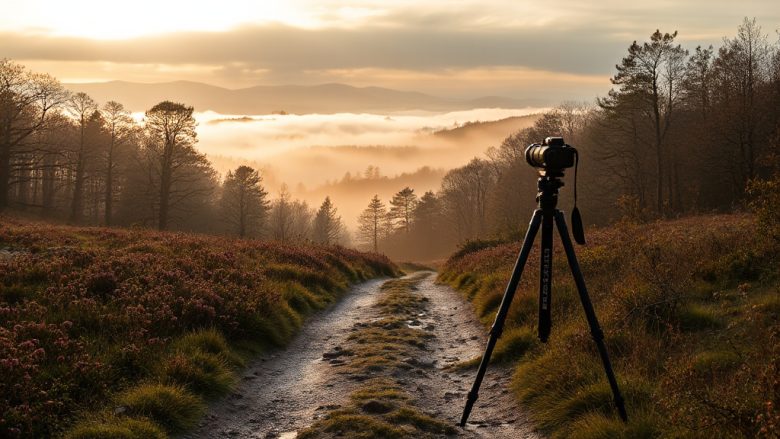
British light is a moving target. You can leave the house under a flat grey lid, drive twenty minutes, and find a valley full of mist with the sun cutting through it like a torch. That unpredictability is exactly why so many photographers fall for this country. This complete guide to nature photography in the UK treats the weather not as an obstacle but as the main subject. Below is a season-by-season plan: what the light does, what’s worth shooting, and a short checklist you can actually use in the field.
If you’re new to this, the single most useful habit is to stop planning around perfect conditions and start planning around changeable ones. Fronts moving through, tide times, the first frost, a warm spell in February that wakes the frogs early. Nature photography here rewards patience and local knowledge far more than expensive glass. The seasons give you a structure. The weather gives you the drama.
Spring: soft light, restless wildlife and the first green
Spring in the UK is a slow argument between winter and summer, and that’s the point. Light is soft and low for weeks, shadows are long, and the landscape turns from brown to a green that photographs beautifully in overcast conditions. Bluebells are the obvious draw, but the real opportunity is the window before the canopy closes over. Once leaves are fully out, woodland light becomes patchy and contrasty. Go early.
Wildlife is frantic. Birds are singing and establishing territory, amphibians are breeding, and mammals are emerging from torpor. Dawn is still late enough to be civilised, which makes spring the friendliest season for anyone building a routine. If you only shoot one season seriously, make it this one.
Practical notes. Overcast days are your friend for woodland flowers; direct sun creates blown highlights on the petals and harsh shadows underneath. For birds, position yourself with the sun behind you and use a long lens with a fast shutter speed, because foliage moves in even a light breeze. Rain is common but rarely heavy for long, so a rain cover and a microfibre cloth earn their place in the bag.
Field checklist for spring:
- Check the bluebell timing locally, not nationally; it varies by weeks.
- Get to woodland before sunrise to catch mist between trunks.
- Carry a polarising filter for wet foliage and streams.
- Keep a spare battery warm in a pocket; cold mornings drain them fast.
Summer: long days, hard light and the discipline of early starts
Summer is the season people assume is easiest and often find hardest. The sun rises before five and sets after nine, and the middle of the day is brutally contrasty. The trick is to treat the day as two short shooting windows and one long rest. Golden hour in June can last well over an hour, which is generous, but you have to be awake for it.
Subjects change too. Meadows are at their peak, insects are everywhere, and coastal landscapes benefit from calm seas and warm light. This is the best time for macro work, because invertebrates are active and the light is manageable in the early morning when they’re still sluggish. Dragonflies and damselflies are a classic summer subject and reward a slow, low approach.
If you’re shooting landscapes, look for shade. Deep woodland, north-facing slopes, and river gorges stay cool and photograph well even at midday. Waterfalls and streams are at their lowest flow, which exposes rocks and creates more interesting shapes than the full torrents of winter.
Practical notes. Heat haze ruins long-distance shots, so don’t bother with distant hills in the afternoon. Use a tripod for macro, because at high magnification your breathing moves the frame. And be honest about the light: if it’s flat and grey, shoot details, textures and wildlife rather than wide vistas.
Autumn: colour, mist and the best light of the year
Autumn is the season most photographers would pick if forced to choose. The light softens, the air clears, and mornings bring mist that turns ordinary woodland into something worth getting up for. Colour peaks at different times depending on latitude and species, so a bit of local knowledge goes a long way. Beech and oak turn later than birch and rowan, and coastal areas often lag behind inland ones.
This is also the best time for fungi, which is a whole genre of nature photography in its own right. Low angles, shallow depth of field, and a diffused light source produce the best results. A small reflector or even a sheet of white card can lift shadows under a cap without looking artificial.
Wildlife shifts again. Deer are more visible as cover thins, red squirrels are busy caching, and winter visitors start arriving on estuaries. If you shoot birds, autumn is the start of the best six months of the year.
Practical notes. Mist burns off quickly once the sun hits it, so you have maybe thirty minutes of peak conditions. Be in position before sunrise. Use a longer lens for compressed layers of trees fading into fog. And watch your footing on wet leaves, because tripods and steep slopes don’t mix well.
Winter: low sun, hard weather and the cleanest air
Winter is underrated. The sun stays low all day, which means golden hour effectively lasts for hours rather than minutes. Air is clearer, so distant views actually work. Frost and snow transform familiar places, and the lack of foliage reveals structure in the landscape you’d never notice in summer.
The trade-off is comfort and safety. Days are short, hands get cold, and weather can turn quickly. But the rewards are real. Estuaries fill with wading birds and wildfowl, starling murmurations happen at dusk, and mountain hares turn white in the Scottish Highlands. Even a hard frost on a hedgerow is a subject worth an hour of your time.
Practical notes. Expose for the highlights when shooting snow, or it’ll come out grey. Keep a spare battery inside your jacket. Wear gloves you can operate a camera in, and accept that you’ll fumble the first few times. Check sunrise and sunset times before you leave, because a winter shoot can be over by half past three.
Reading British weather and light like a local
You don’t need to be a meteorologist, but a few habits help enormously. Learn what a warm front looks like on a forecast and what it usually means for cloud. Watch wind direction, because an easterly in winter often brings clearer, colder air and better visibility. Coastal fog behaves differently from valley fog, and valley fog is usually best an hour after sunrise.
Light quality matters more than quantity. Overcast light is soft and even, perfect for close-ups and woodland. Broken cloud gives you dramatic, fleeting patches of sun that can transform a scene in seconds. Clear skies at midday are the hardest conditions of all, which is why so many photographers shoot at the edges of the day.
One more thing: learn your local patch. A wood you visit weekly will teach you more about light and timing than a dozen trips to famous locations. You’ll notice where the sun rises, where mist collects, and when the first buds open. That’s the knowledge that makes images stand out.
Gear that actually earns its place in a British bag
You don’t need much. A camera with decent dynamic range, a standard zoom, and a longer lens for wildlife will cover most situations. A tripod is essential for landscapes, macro, and low light, but it needs to be light enough that you’ll actually carry it. Weather sealing matters here more than in drier climates, though a simple rain cover and a dry bag solve most problems cheaply.
Filters are worth considering. A polariser cuts glare on wet foliage and water, and a neutral density filter lets you shoot long exposures of moving water and clouds. A cloth and a rocket blower handle the constant battle with drizzle and dust. Spare batteries and memory cards live in an inside pocket, not the bottom of a rucksack.
Comfort is gear too. Waterproof boots, a warm layer, and a flask make the difference between a two-hour shoot and a five-hour one. The best camera is the one you’re still holding when the light finally does something interesting.
Fieldcraft and ethics: the part that matters most
Nature photography in the UK comes with responsibilities. Disturbance is real, especially in spring and winter when animals are already under pressure. Keep your distance, use a long lens rather than creeping closer, and never move eggs, chicks, or young animals to get a better angle. If an animal changes its behaviour because of you, you’re too close.
Stay on paths where they exist, particularly on fragile habitats like dunes, moorland, and limestone pavement. Don’t pick flowers or fungi to photograph them later. Don’t share precise locations of sensitive species, because a single social post can bring a crowd to a nesting site. And follow any local signage, especially during breeding season or on nature reserves.
The reward for this restraint is better photographs. Animals that aren’t stressed behave naturally. Landscapes that aren’t trampled stay worth returning to. And you get to keep doing this for years rather than being the person who ruined a site for everyone else.
Frequently asked questions about nature photography in the UK
What’s the best season for nature photography in the UK?
Autumn is the strongest all-round season for colour, mist, and light, but spring is best for wildlife and woodland flowers. Winter offers the most dramatic light and the fewest crowds. If you’re just starting, pick whichever season you’re in and commit to it rather than waiting for the perfect one.
Do I need expensive gear to shoot nature in Britain?
No. A mid-range camera and two lenses will cover most subjects. Light, timing, and fieldcraft matter far more than the price of your kit. A tripod and a rain cover are probably the two most useful accessories you can buy.
How do I handle rain and grey skies?
Shoot into the weather rather than avoiding it. Overcast light is excellent for close-ups and woodland, and rain adds atmosphere to landscapes. Protect your gear, keep a cloth handy, and look for reflections, droplets, and mist instead of waiting for sunshine.
Where should a beginner start?
Pick one local place and visit it repeatedly across a season. Learn how the light moves through it and what lives there. That’s more valuable than travelling to famous locations, and it builds the observational skills that make good nature photography possible.